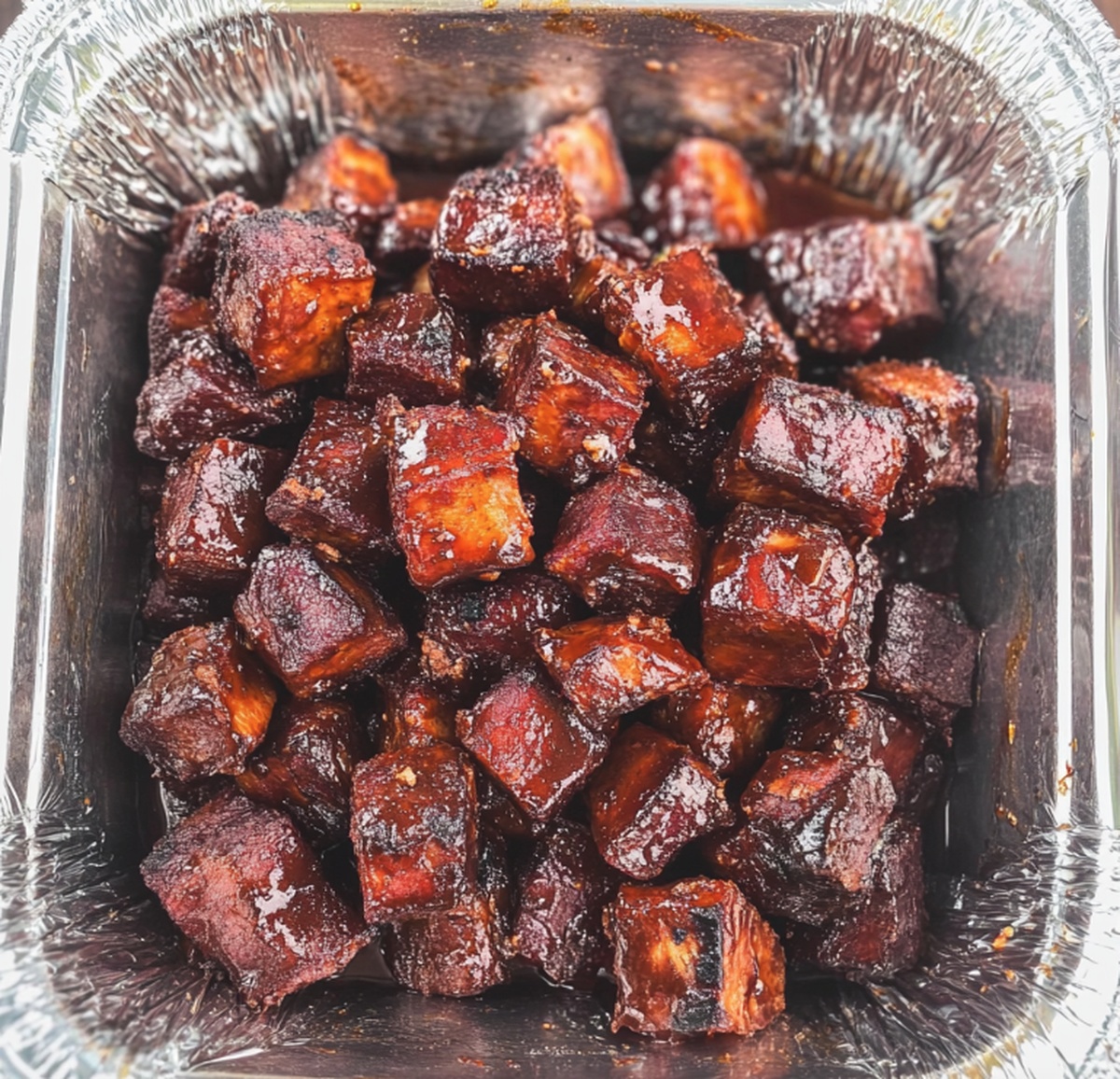
Unlocking BBQ Bliss: The "Poor Man's Burnt Ends" Chuck Roast Recipe
For many barbecue enthusiasts, the mention of "burnt ends" conjures images of perfectly caramelized, intensely smoky, melt-in-your-mouth cubes of brisket point – the legendary "meat candy" of Kansas City BBQ. But what if you crave that same irresistible experience without the commitment, cost, or complexity of a full brisket? Enter the "Poor Man's Burnt Ends," a brilliant, budget-friendly adaptation using humble chuck roast. This phenomenal burnt ends recipe transforms a less expensive cut into BBQ bites that are every bit as delicious and addictive as their traditional counterparts. Get ready to fire up your smoker and discover a new BBQ favorite!What Makes a Truly Great Burnt End?
Before diving into our chuck roast marvel, let's understand the essence of a truly exceptional burnt end. It’s a symphony of textures and flavors that captivates from the first bite:- The Perfect Bark: This is the deeply caramelized, crusty exterior that gives burnt ends their signature "burnt" appearance – though they are anything but truly burnt! It’s the result of sugars in your rub and sauce caramelizing, and proteins undergoing the Maillard reaction during long, slow cooking, creating an incredibly rich, sweet, and savory crust.
- Unrivaled Tenderness: Beneath that glorious bark lies meat that's so tender it practically dissolves on your tongue. This tenderness comes from hours of low-and-slow cooking, which breaks down tough connective tissues like collagen, rendering them into succulent gelatin.
- Intense Smoky Flavor: A proper burnt end is infused with deep, aromatic smoke. Whether it's from oak, hickory, or a fruitwood, that signature smoky profile is non-negotiable, complementing the savory meat and sweet bark.
- Savory-Sweet Balance: The ideal burnt end offers a delightful interplay between the savory beef, the smoky depth, and the sweet, tangy notes from the BBQ rub and sauce. It's this complex profile that earns them the moniker "meat candy."
Why Chuck Roast Reigns Supreme for Budget-Friendly BBQ Bites
The idea of using chuck roast for burnt ends might seem unconventional to some, but it’s a stroke of genius for several compelling reasons:Firstly, the most obvious benefit is cost. Chuck roast is significantly more affordable per pound than beef brisket, making it an accessible option for those craving BBQ indulgence on a budget. This is why it’s lovingly dubbed the "poor man's" version.
Secondly, chuck roast is inherently well-suited to the low-and-slow cooking method that defines burnt ends. It's a heavily marbled cut with a good amount of connective tissue. Just like brisket, these characteristics, when subjected to hours of gentle heat, transform into incredibly tender, flavorful meat. The fat melts, basting the meat from within, while the collagen breaks down into gelatin, adding moisture and a luxurious mouthfeel. For a deeper dive into how these cuts compare, explore Chuck Roast vs. Brisket: Crafting Delicious Burnt Ends on a Budget.
Thirdly, its compact size compared to a whole brisket means less prep, potentially shorter cooking times (though still hours), and easier handling. You can often find a perfect 3-5 pound chuck roast for a family meal or gathering without needing a massive smoker or an entire day dedicated to one cut of meat.
Mastering the Art of Tender, Smoky Burnt Ends: The "Low & Slow" Secret
The cornerstone of any outstanding burnt ends recipe, regardless of the cut, is the "low and slow" cooking method. There are no shortcuts to achieving that coveted tenderness and deep smoky flavor. While oven methods exist, they simply cannot replicate the intense smoke penetration and the unique bark development that a smoker provides.The secret to incredibly tender burnt ends is indeed time and patience. Smoking the meat for several hours at a low temperature allows the connective tissues in the chuck roast to slowly break down. This process, known as collagen hydrolysis, is what renders tough meat into succulent, pull-apart tender goodness. Simultaneously, the constant kiss of smoke infuses the meat with an unforgettable aroma and flavor.
For the most authentic and flavorful experience, a smoker is highly recommended. Whether you have a pellet smoker, offset smoker, or a ceramic grill, mastering this technique will elevate your BBQ game. You can learn more about perfecting this crucial step in Mastering Tender Burnt Ends: The Secret to Smokey Meat Candy.
Your Step-by-Step Guide to the Ultimate Chuck Roast Burnt Ends Recipe
Ready to create your own "meat candy"? Here’s how to craft these delightful BBQ bites using chuck roast.Preparation and First Smoke (The Main Cook)
- Prep Your Chuck Roast: Unpack your 3-5 pound chuck roast. Pat it thoroughly dry with paper towels – a dry surface helps the rub adhere better and promotes better bark formation. Trim off any excessively large or loose pieces of fat, but leave a decent amount of marbling, as it will render down and add moisture.
- Apply Your Rub: This is where flavor truly begins! Generously coat the entire chuck roast with your favorite BBQ rub. Don't be shy; a thick layer of rub contributes significantly to the eventual bark. Many pitmasters prefer a sweet and savory rub with notes of paprika, garlic powder, onion powder, brown sugar, and a touch of cayenne for a subtle kick.
- Preheat Your Smoker: Get your smoker stable at a low temperature, ideally between 225°F and 250°F (107°C-121°C). Choose your preferred smoking wood – hickory, oak, or a blend work wonderfully for beef.
- Smoke Until Tender: Place the seasoned chuck roast directly on the grates. Let it smoke, undisturbed, until it reaches an internal temperature of around 195°F to 205°F (90°C-96°C). This first phase can take anywhere from 4 to 6 hours, depending on the size of your roast and smoker fluctuations. The most accurate way to monitor doneness is with a reliable meat thermometer. It should probe "like butter" when inserted into the thickest part of the meat.
The Burnt Ends Transformation (Second Cook)
- Rest and Cube: Once the chuck roast reaches the target temperature and is probe-tender, remove it from the smoker and let it rest, loosely tented with foil, for at least 30 minutes. This allows the juices to redistribute. After resting, slice or cube the chuck roast into 1-1.5 inch pieces. Don't worry if some pieces seem a little dry; they're about to get a second life!
- Sauce and Season: Place the cubed meat into a disposable aluminum pan. Drizzle generously with your favorite BBQ sauce. You want a good, thick coating on every piece. For an extra layer of flavor and bark development, sprinkle a little more of your BBQ rub over the sauced cubes. Gently toss to ensure everything is evenly coated.
- The Second Smoke (or Bake): Return the pan of sauced burnt ends to the smoker, or if desired, place it in an oven preheated to the same 225°F-250°F (107°C-121°C) temperature. Let them cook for another 1-2 hours. During this phase, the sauce will thicken, caramelize, and cling to the meat, forming that incredible sticky, sweet, and crispy bark. Stir them gently once or twice during this period to ensure even caramelization.
- Serve and Enjoy: Once the sauce has reduced and the burnt ends have developed a beautiful, glossy, and slightly crispy exterior, they are ready! Remove them from the smoker/oven and let them cool for a few minutes before serving.
Estimated Times:
Prep Time: 10-15 minutes
Cook Time (First Smoke): 4-6 hours
Cook Time (Second Cook): 1-2 hours
Total Time: 5 hours 10 minutes - 7 hours 15 minutes
Pro Tips for Perfect Poor Man's Burnt Ends
- Don't Skimp on the Rub: A generous coating of rub is crucial for developing that flavorful bark.
- Monitor Temperature, Not Just Time: Every piece of meat is different. A good digital meat thermometer is your best friend for ensuring perfect tenderness without overcooking.
- Embrace the Stall: During the first smoke, your chuck roast may experience a "stall" where its internal temperature plateaus for a few hours. This is normal! Be patient and trust the process.
- Experiment with Wood and Sauce: Different woods (hickory, oak, apple, cherry) impart unique smoke flavors. Similarly, explore different BBQ sauces – from tangy vinegar-based to sweet and smoky – to find your personal favorite.
- Rest is Best: Don't skip the resting period after the first smoke. It allows the juices to redistribute, resulting in a more tender and moist finished product.
