Chuck Roast vs. Brisket: Crafting Delicious Burnt Ends on a Budget
Few BBQ delights ignite the taste buds quite like burnt ends. Often hailed as "meat candy," these intensely flavorful, tender, and deeply caramelized cubes of smoked beef are the undisputed crown jewels of Kansas City barbecue. Traditionally, they are meticulously carved from the fattiest, most marbled section of a beef brisket – specifically, the point. But what if you’re craving that smoky, sweet, and savory goodness without the premium price tag or the commitment of a full brisket? Enter the humble chuck roast, a budget-friendly hero ready to transform into equally irresistible "poor man's burnt ends." This article will delve into the nuances of both options, guiding you through the ultimate burnt ends recipe, whether you choose the traditional path or the savvy, cost-effective route.
What Makes Burnt Ends Irresistibly Delicious?
Before we pit our meats against each other, let's understand the magic that defines a truly exceptional burnt end. It's a symphony of textures and flavors that captivates from the first bite:
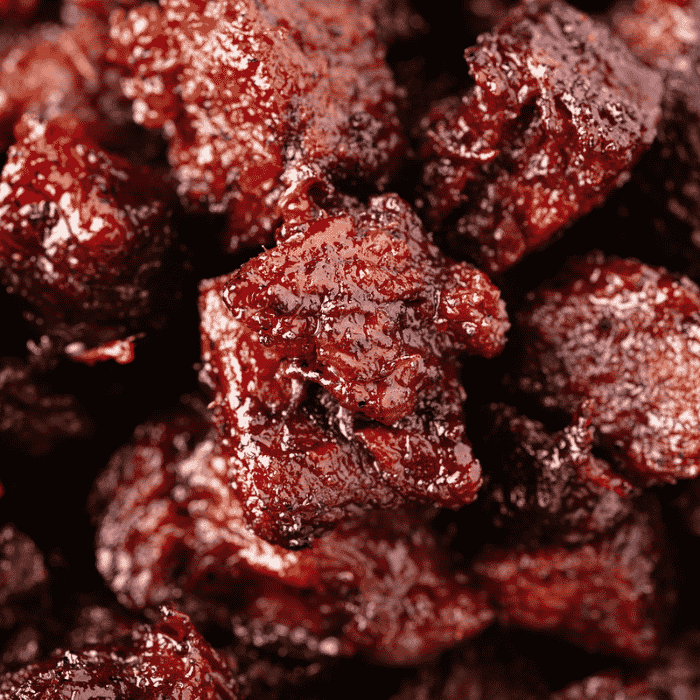
- The Bark (Char): This isn't just a crust; it's a deeply caramelized, savory-sweet exterior that forms during hours of smoking. It's the "burnt" in burnt ends, providing a delightful chew and a concentrated burst of flavor that mimics candy.
- Melt-in-Your-Mouth Tenderness: Beneath that glorious bark lies incredibly tender meat. The long, slow cooking process, especially in a smoker, allows collagen and fat to render down, infusing the meat with moisture and creating that unforgettable succulent texture.
- Intense Smoky Flavor: The hallmark of any great BBQ, a deep, pervasive smoky aroma and taste is crucial. The slow penetration of wood smoke into the meat is what truly elevates burnt ends beyond simple beef cubes.
- Savory-Sweet Balance: A perfectly applied BBQ rub and a final glazing with a delicious barbecue sauce create a harmonious blend of savory, spicy, and sweet notes that make each bite utterly addictive.
Achieving this trifecta requires patience and the right cooking methodology, which we'll explore in detail for your ideal burnt ends recipe.
Brisket Burnt Ends: The Gold Standard
For purists and competition pitmasters, brisket burnt ends are the original "meat candy." They typically come from the "point" end of a whole beef brisket, which is fattier and more marbled than the "flat." The process is traditionally a two-phase cook:
- Initial Brisket Cook: The entire brisket (or just the point) is smoked low and slow for many hours until it's tender, usually reaching an internal temperature of around 200-205°F (93-96°C).
- Second Smoke & Caramelization: Once the brisket is cooked and rested, the point is separated, cubed, tossed with more rub and barbecue sauce, and then returned to the smoker. This second phase is crucial for developing that extra bark, tenderness, and caramelization, transforming the cubes into true burnt ends.
This method yields unparalleled depth of flavor and texture, but it also comes with a higher cost per pound for brisket, a longer cooking time (often 10-14+ hours for a full brisket), and more specialized butchering.
Chuck Roast Burnt Ends: The Smart & Savvy Alternative
If the thought of tackling a whole brisket or spending top dollar gives you pause, don't despair! Chuck roast is an incredibly forgiving and flavorful cut of beef that makes for an outstanding, budget-friendly "poor man's burnt ends recipe."
Why Chuck Roast Works So Well:
- Cost-Effective: Chuck roast is significantly cheaper per pound than brisket, making it an accessible option for those craving burnt ends on a budget.
- Great Marbling: Chuck roast, especially cuts like chuck eye or arm roast, has excellent intramuscular fat, which renders down beautifully during slow cooking, ensuring a moist and tender result similar to brisket point.
- Rich Beefy Flavor: It boasts a robust, beefy flavor that stands up well to heavy smoke and barbecue sauces.
- Accessibility: Chuck roast is readily available in virtually every grocery store, year-round.
While a chuck roast won't ever be a brisket, its structure and fat content make it an ideal candidate for mimicking the mouthfeel and flavor profile of traditional burnt ends when subjected to the same low-and-slow smoking process.
Crafting Your Ultimate Burnt Ends Recipe: The Low & Slow Secret
Regardless of whether you choose brisket or chuck roast, the fundamental secret to incredibly tender, flavorful burnt ends lies in the low-and-slow cooking method. There are no shortcuts if you want that intense smoke flavor and melt-in-your-mouth texture. Here’s a general two-phase approach that works for both meats:
Phase 1: The Initial Smoke & Tenderization
- Prep Your Meat: Pat your chuck roast (or brisket point) dry. Generously coat it on all sides with your favorite BBQ rub. Don't be shy – this forms the foundation of your bark. Allow it to sit for at least 30 minutes, or ideally, overnight in the fridge.
- Fire Up Your Smoker: Set your smoker to a low temperature, typically between 225-275°F (107-135°C). Use your preferred wood chunks or chips for smoke – oak, hickory, pecan, or cherry are popular choices.
- Smoke to Target Temperature: Place the heavily coated meat directly on the grates. Smoke until it reaches an internal temperature of around 195-205°F (90-96°C). This can take anywhere from 4-8 hours for a typical 3-4 lb chuck roast, and much longer for a brisket point. Use a reliable meat thermometer inserted into the thickest part of the meat to monitor progress precisely. The meat should be probe-tender, meaning a thermometer slides in with little resistance.
Chef Tip: Resist the urge to constantly open your smoker. "If you're looking, you're not cooking!" Each time you open it, you lose heat and valuable smoke.
Phase 2: The Candy Creation & Caramelization
This is where the magic truly happens, transforming smoked meat into irresistible burnt ends:
- Cube & Bathe: Once the meat is tender, remove it from the smoker. Slice or cube the cooked meat into bite-sized pieces, typically 1-1.5 inch cubes.
- Sauce & Season: Place the cubes into an aluminum foil pan. Toss them generously with a good quality barbecue sauce (often a mix of sauce, a little more rub, and maybe some apple juice or butter for extra moisture and richness). Ensure every piece is coated.
- Return to Smoker: Cover the foil pan tightly with another piece of foil. Return it to the smoker at the same temperature (225-275°F / 107-135°C) for another 1-2 hours. This steaming process further tenderizes the meat and allows the flavors to meld.
- Uncover & Caramelize: After this period, remove the top foil. Stir the burnt ends and let them cook uncovered for another 30-60 minutes. This final stage allows the sauce to thicken and caramelize, creating that signature sticky, savory bark that defines true burnt ends. Keep a close eye to prevent actual burning.
- Rest & Serve: Remove from the smoker and let them rest for 10-15 minutes before serving. The wait will be excruciating, but utterly worth it.
For a detailed walkthrough, especially for the chuck roast variant, check out our guide on Poor Man's Burnt Ends: Chuck Roast Recipe for BBQ Bites.
Chuck Roast vs. Brisket: A Head-to-Head for Your Burnt Ends Recipe
When deciding on your next burnt ends recipe, consider these factors:
- Cost: Chuck Roast Wins. Significantly cheaper per pound, making it ideal for regular enjoyment or feeding a crowd on a budget.
- Availability: Chuck Roast Wins. Universally available in supermarkets. Brisket, especially whole packer briskets or just the point, can be harder to find or require special ordering.
- Cooking Time & Difficulty: Chuck Roast Wins (Slightly). While both require low-and-slow, a typical chuck roast is smaller and often more forgiving than a large brisket point, which can be prone to drying out if not managed carefully. Brisket also often demands a much longer overall cooking commitment.
- Flavor Profile: Brisket Excels. Brisket has a distinct, intense beefy flavor that many connoisseurs prefer. However, chuck roast still delivers a rich, satisfying beef flavor that, when combined with smoke, rub, and sauce, is incredibly delicious and often indistinguishable to the casual eater.
- Texture: Tie. Both can achieve that sublime, melt-in-your-mouth tenderness through proper low-and-slow smoking. The key is allowing enough time for connective tissues and fat to render fully.
- Yield: Brisket Wins (for volume). A whole brisket point will typically yield more burnt ends than a single chuck roast. If you're feeding a large party and budget isn't a concern, brisket is excellent.
Practical Tips for Your Ultimate Burnt Ends Recipe
- Invest in a Good Meat Thermometer: This is non-negotiable. Cooking to precise internal temperatures ensures tenderness and food safety, removing all guesswork.
- Don't Skimp on the Rub: A quality BBQ rub forms the bark and builds flavor. Experiment with different profiles (sweet, spicy, savory) to find your favorite.
- Embrace the Stall: During the initial smoke, your meat's internal temperature might plateau for several hours. This is normal, called "the stall," and it's essential for rendering fat and breaking down tough fibers. Be patient!
- Consider the Wrap (Optional): Some pitmasters choose to wrap their meat in butcher paper or foil after the initial smoke to push through the stall faster and retain moisture. While this can reduce bark formation, it's a technique worth exploring if you struggle with dryness.
- Smoker is Best, Oven is an Option: For the truly authentic smoky flavor and tender texture, a smoker is paramount. However, if a smoker isn't available, you can adapt a burnt ends recipe for the oven, though you'll miss out on the deep smoke penetration. For oven, consider using liquid smoke or a smoky BBQ sauce to compensate for some lost flavor.
Conclusion
Whether you opt for the classic competition-style brisket or the savvy, budget-friendly chuck roast, crafting delicious burnt ends is a rewarding culinary journey. The "meat candy" experience, characterized by that perfect bark, smoky tenderness, and savory-sweet glaze, is within reach for any home cook. While brisket offers the traditional gold standard, don't underestimate the humble chuck roast—it delivers an incredible imitation that's just as satisfying for a fraction of the cost and effort. So fire up your smoker, gather your ingredients, and prepare to delight your palate with an unforgettable burnt ends recipe.
