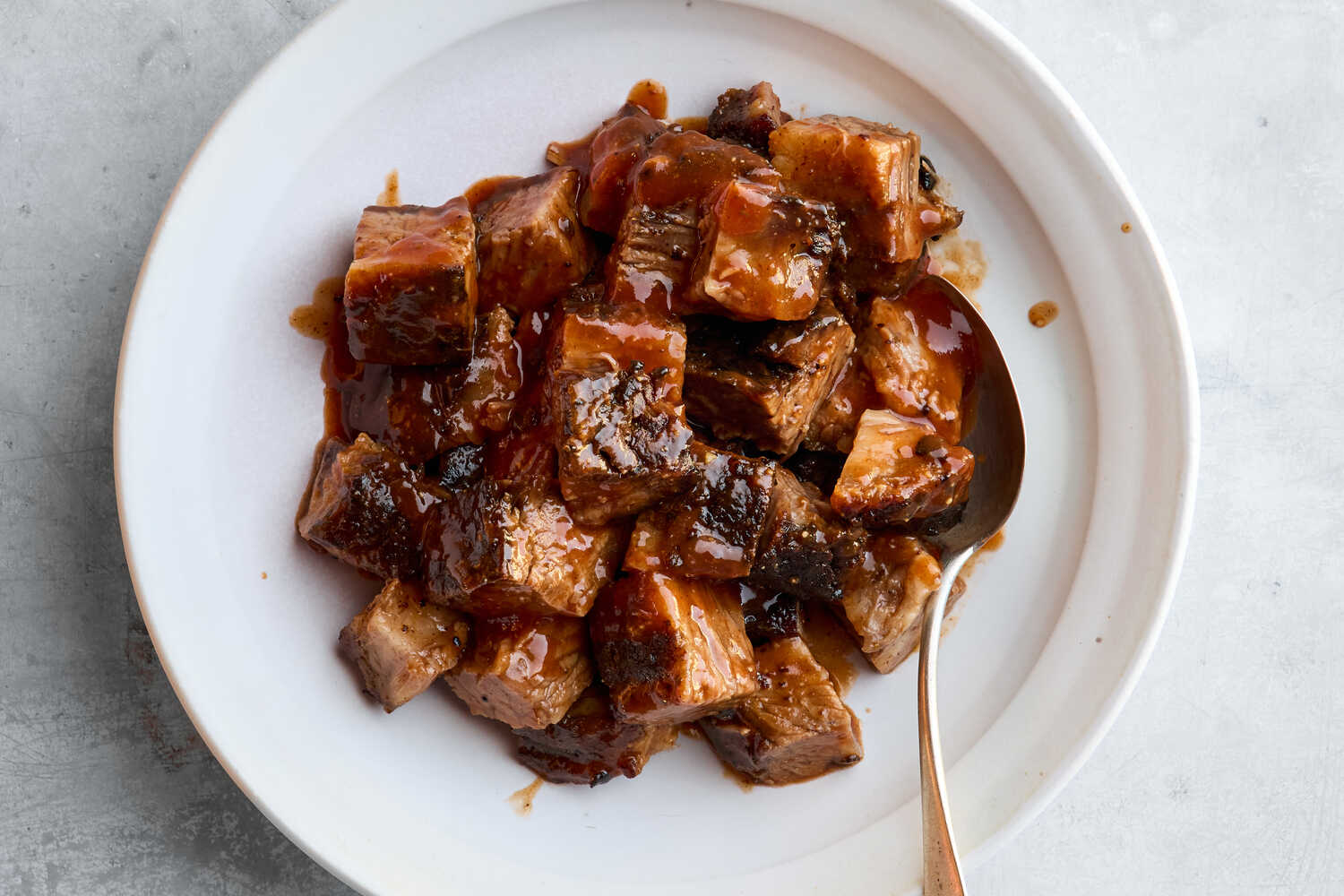
Mastering Tender Burnt Ends: The Secret to Smokey Meat Candy
There are few BBQ delights that spark as much fervent passion as burnt ends. Affectionately dubbed "meat candy," these intensely flavorful, deeply caramelized, and incredibly tender morsels represent the pinnacle of low-and-slow barbecue. Once you bite into their crusty, savory exterior, giving way to a melt-in-your-mouth, smoky interior, you'll understand why pitmasters and home cooks alike obsess over perfecting this Kansas City classic.
Traditionally, burnt ends are crafted from the fattier, more collagen-rich point of a beef brisket. However, we're here to let you in on a delicious secret: you don't need a whole brisket (or the hefty price tag that comes with it) to achieve BBQ nirvana. With a clever twist and the right technique, you can create astonishingly tender and smoky burnt ends using a more accessible cut like chuck roast – an innovation often referred to as "poor man's burnt ends." This Poor Man's Burnt Ends: Chuck Roast Recipe for BBQ Bites delivers all the satisfaction without breaking the bank.
What Makes Burnt Ends Truly Irresistible? The Anatomy of BBQ Bliss
The magic of burnt ends lies in a harmonious trinity of elements: the bark, the tenderness, and the incredible flavor fusion. Each plays a critical role in creating that addictive "meat candy" experience.
- The Perfect Bark (Char): This isn't about burning the meat; it's about artful caramelization. As the meat smokes for hours, a rich, dark crust, or "bark," forms on its exterior. This bark is a result of the Maillard reaction, where sugars in the rub and meat interact with amino acids under heat, creating hundreds of new flavor compounds. It provides a delightful textural contrast – a slightly crisp, chewy, and deeply savory outer layer that gives way to the soft interior. It's the "burnt" in burnt ends, delivering a sweet, peppery, and intensely flavorful kick.
- Unrivaled Tenderness: Beneath that glorious bark lies meat so tender it practically dissolves on your tongue. This tenderness is the direct result of slow, low-temperature cooking, which gives connective tissues like collagen ample time to break down into gelatin. Simultaneously, the fat renders, basting the meat from within and keeping it incredibly moist. Each bite should be effortless, a testament to hours of patient cooking.
- Smoky, Savory, and Sweet Flavor Fusion: Good burnt ends are a symphony of flavors. The deep, aromatic smoke penetrates the meat, infusing it with an authentic BBQ essence. This is complemented by the complex flavors of a well-balanced rub – often a blend of salt, pepper, garlic, onion, and various spices. Finally, a finishing toss in a sweet and tangy BBQ sauce adds another layer of glaze and caramelization, binding all these elements into a mouth-watering explosion of taste.
The Secret to Unrivaled Tenderness and Smokiness: Low & Slow is the Way
If there's one golden rule for crafting exceptional burnt ends, it's this: patience and consistent low heat are paramount. There are no shortcuts to achieving that signature tenderness and intense smoke flavor. While some recipes might suggest oven-only methods, to truly capture the essence of competition-worthy burnt ends, a smoker is your best friend.
Why Low and Slow Reigns Supreme:
- Collagen Breakdown: Cuts like chuck roast and brisket point are rich in connective tissue. Cooking them quickly at high temperatures would result in tough, chewy meat. However, maintaining a low temperature (typically between 225-275°F / 107-135°C) for several hours allows this collagen to slowly convert into gelatin, which is responsible for that coveted melt-in-your-mouth texture.
- Fat Rendering: The marbling within the meat needs time to render down slowly. This process not only keeps the meat incredibly moist but also infuses it with rich, beefy flavor as the rendered fat is reabsorbed.
- Deep Smoke Penetration: A smoker, unlike an oven, allows wood smoke to constantly envelop the meat. Over several hours, this smoke permeates the muscle fibers, creating an authentic, complex smoky flavor that is impossible to replicate otherwise. The type of wood also matters; hickory provides a strong, classic BBQ flavor, while apple or cherry offer a milder, sweeter smoke.
Chef's Tip: Invest in a reliable meat thermometer. This is your most valuable tool for precision cooking. Relying on visual cues alone can lead to over or undercooked meat. Monitoring the internal temperature ensures your meat reaches the perfect point of tenderness every time.
Crafting Your Own Burnt Ends: A Step-by-Step Burnt Ends Recipe Guide
Whether you're starting with a brisket point or embracing the versatility of chuck roast, the journey to exceptional burnt ends follows a similar, two-phase smoking process. Here's how to turn a humble piece of meat into extraordinary smokey candy.
Step 1: Selecting and Preparing Your Meat
- For Traditional Burnt Ends: You'll need the point muscle of a full packer brisket. This fatty, marbled section is ideal for its rich flavor and ability to withstand long cooking times.
- For Poor Man's Burnt Ends: Opt for a well-marbled chuck roast, typically 3-5 pounds. Look for good marbling, which contributes to tenderness and flavor. For more insights on this choice, read our guide on Chuck Roast vs. Brisket: Crafting Delicious Burnt Ends on a Budget.
- Trim (if necessary): Trim any excessively large fat pockets from the chuck roast, but leave a good amount of marbling.
- Apply the Rub: Generously coat the entire surface of your meat with your favorite BBQ rub. Don't be shy – this is where much of the bark's flavor comes from. Pat it firmly to ensure it adheres well.
Step 2: The First Smoke (The Long Haul)
This is where the magic begins, breaking down tough fibers and infusing deep smoke.
- Preheat Your Smoker: Get your smoker stable at a consistent low temperature, ideally between 225°F and 275°F (107°C-135°C). Add your chosen wood chunks for smoke.
- Smoke the Meat: Place the heavily rubbed chuck roast (or brisket point) directly on the smoker grates. Smoke until it reaches a specific internal temperature and tenderness. For chuck roast, this is often in the range of 190-205°F (88-96°C). For brisket, you're looking for it to probe tender, typically around the same range, and for the point to separate easily from the flat if you're working with a full brisket. This phase can take anywhere from 4-7 hours or more, depending on the size of the meat and smoker temperature.
- Monitor and Spritz (Optional): Keep an eye on your smoker's temperature. If the exterior starts to look dry, you can spritz it occasionally with apple cider vinegar, water, or broth to keep it moist and promote bark formation.
Step 3: The Transformation (Cubing & Saucing)
Once your meat has reached the target temperature and tenderness, it's time to prepare it for its second act.
- Remove and Rest (Briefly): Take the meat off the smoker. For chuck roast, a brief rest (10-15 minutes) is usually sufficient before cubing.
- Cube the Meat: Using a sharp knife, slice the smoked chuck roast (or brisket point) into 1-1.5 inch bite-sized cubes.
- Sauce and Season: Place the cubed meat into a disposable aluminum pan or a deep oven-safe dish. Toss generously with your favorite BBQ sauce, a bit more of your BBQ rub, and for extra moisture and richness, a tablespoon or two of butter or beef broth. Stir gently to coat every piece evenly.
Step 4: The Second Smoke (The Glaze and Bark Build)
This final phase is where the "meat candy" truly comes to life.
- Return to Smoker: Place the pan of sauced burnt ends back into the smoker (or even a preheated oven if you've done the main smoke and just want to finish them off, though the smoker adds more character). Maintain the temperature at 250-275°F (120-135°C).
- Cook for Caramelization: Continue to cook for another 1-2 hours, stirring occasionally (every 30 minutes or so). This allows the sauce to caramelize, thicken, and create that beautiful, sticky, glorious bark on each individual cube. They should look glazed, slightly crispy, and deeply colored.
- Serve and Enjoy: Once they reach that perfect sticky-sweet, smoky, tender state, remove them from the smoker. Let them cool slightly, then serve immediately. Be warned: they disappear fast!
Why Chuck Roast Shines for Accessible Burnt Ends Recipe
While brisket holds a sacred place in BBQ tradition, don't underestimate the humble chuck roast. It's not just a budget-friendly alternative; it's a fantastic cut in its own right for crafting succulent burnt ends.
- Cost-Effectiveness: This is arguably the biggest appeal. Chuck roast is significantly less expensive per pound than brisket, making the glorious experience of burnt ends accessible to everyone, more often.
- Excellent Marbling: Chuck roast naturally possesses a good amount of intramuscular fat (marbling) and connective tissue. When subjected to the low-and-slow smoking method, this fat renders beautifully, and the connective tissue breaks down into gelatin, resulting in incredibly moist and tender bites that perfectly mimic the desired texture of brisket burnt ends.
- Flavor Profile: Chuck roast has a rich, beefy flavor that stands up wonderfully to the robust seasonings and smoky environment of a BBQ smoker. The finished product delivers all the savory depth you'd expect.
- Availability: Chuck roast is a staple in most grocery stores, making it an easy cut to find whenever the craving for "meat candy" strikes.
By choosing chuck roast for your burnt ends recipe, you're not compromising on flavor or tenderness; you're simply making a smart, economical choice that yields equally delicious results. It’s a testament to good technique and understanding how different cuts of meat respond to the magic of barbecue.
Conclusion
Mastering burnt ends is a journey of patience, precision, and passion. Whether you opt for the traditional brisket point or embrace the wallet-friendly brilliance of chuck roast, the principles remain the same: low and slow cooking, generous seasoning, and a two-phase smoking process that transforms simple meat into extraordinary "meat candy." The reward for your efforts is an unparalleled culinary experience – tender, smoky, sweet, and utterly addictive bites that will undoubtedly satisfy your deepest BBQ cravings. So fire up your smoker, gather your ingredients, and prepare to create some truly unforgettable burnt ends recipe bliss.
